

Frozen Days
#43 凍りついた日々

Hello everyone,
This newsletter is coming to you a bit earlier than usual. There was something timely that I felt I had to share.
皆さま、こんにちは。
今回は少し早めのレターです。というのも、時事的にどうしても共有したい出来事があったので。
It has been an exceptionally cold winter. Here on Long Island, the daytime temperature finally rose to around 32°F (0°C) last weekend, and I decided to step outside for a change of pace.
この冬は本当に寒い日が続きました。ここロングアイランドでも、先週末ようやく昼間の気温が0度(32F)ほどまで上がり、気分転換に外へ出てみることにしました。
One of the recent topics during this cold spell was the Hudson River in Manhattan freezing over. I had heard that it had frozen in the past, but I had never seen it myself. “Maybe this winter,” I thought. Yet I couldn’t quite bring myself to go. The truth is, I had thrown my back out and had become rather homebound.
寒さの話題といえば、ニューヨーク・マンハッタンのハドソン川が凍ったというニュース。過去にも凍結したことはあると聞いていましたが、実際に目にしたことはありません。「この冬こそは」と思いつつも、重い腰が上がらない。……というより、ぎっくり腰をやってしまい、すっかり出不精になっていたのが本当のところです。
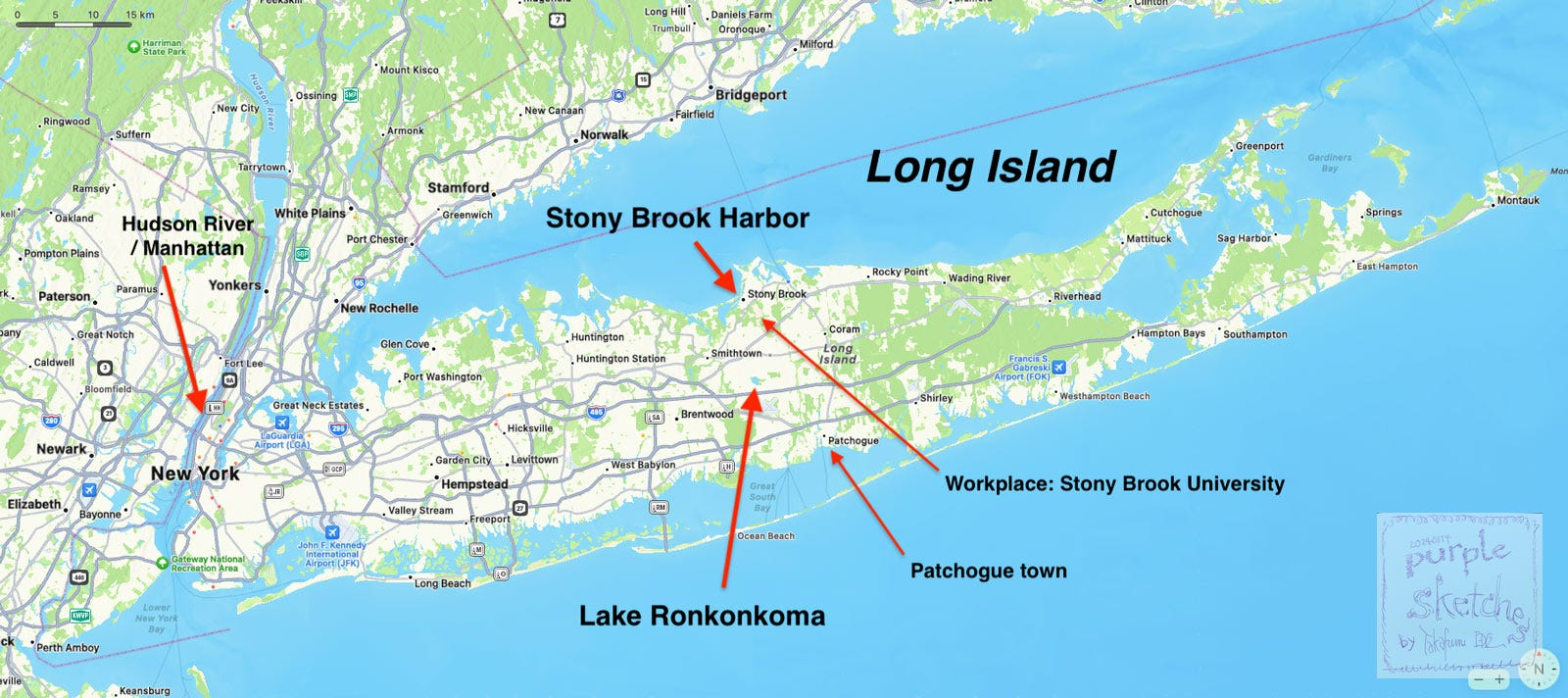
Still, considering how mild recent winters have been, I began to feel the same restlessness I felt during the total solar eclipse — “If I miss this, who knows when I’ll see it again?” So my eldest son drove, and the three of us — my wife, our son, and I — headed to the yacht harbor in Stony Brook Village.

それでも、このところの暖冬傾向を思うと、皆既日食の時のように「今回を逃したら、次はいつになるかわからない」と妙に落ち着かなくなってきました。そこで長男に運転してもらい、妻と三人で地元のStony Brook Villageのヨットハーバーへ向かいました。
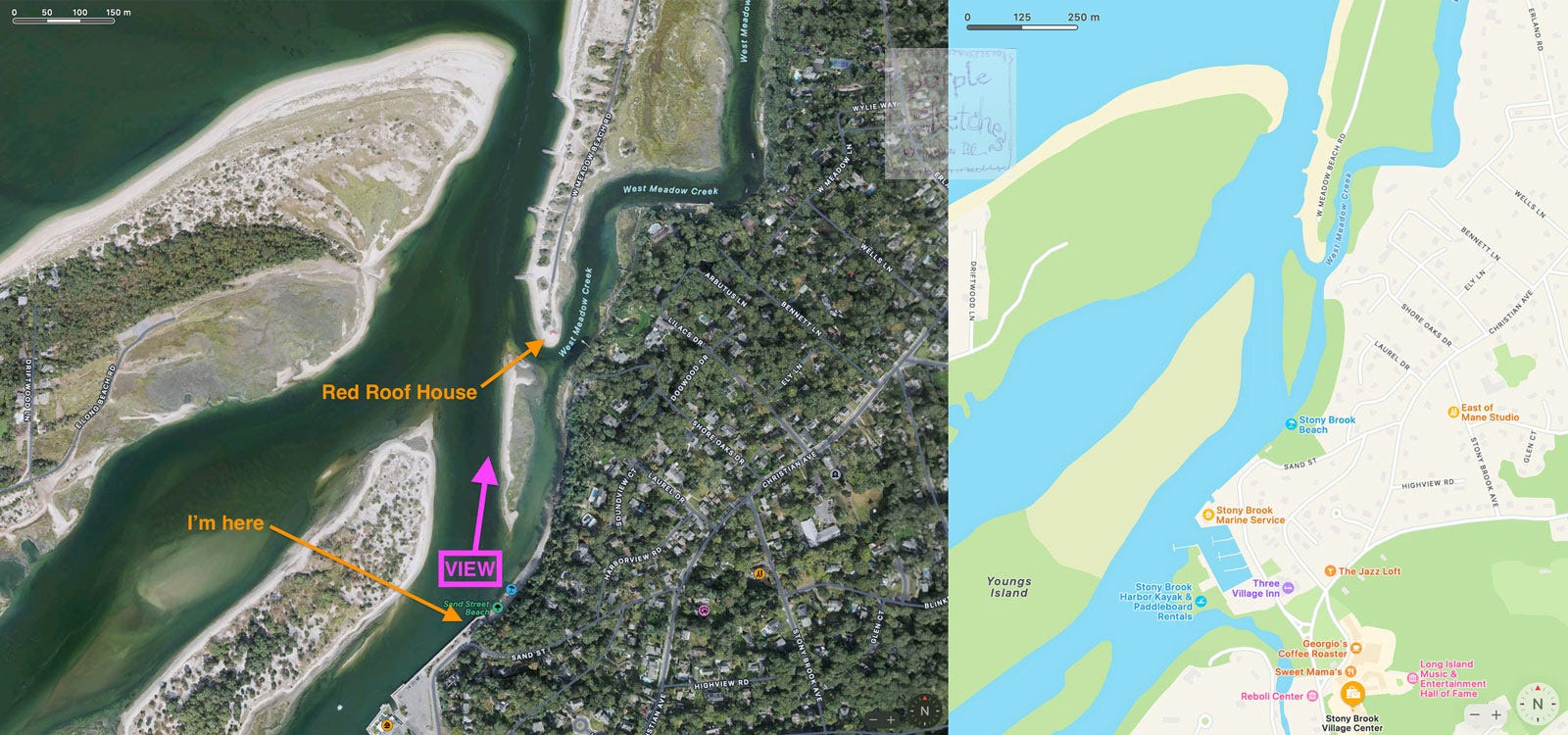
Normally, this harbor facing the Long Island Sound offers a calm seaside view. But that day was different. Perhaps because of freshwater flowing in and the tidal currents, large sheets of ice drifted slowly, like fragments of Arctic floes. Beneath a heavy sky, occasional rays of sunlight struck the ice, making it glow white. The scene felt both beautiful and slightly overwhelming, as if it might quietly swallow us whole.
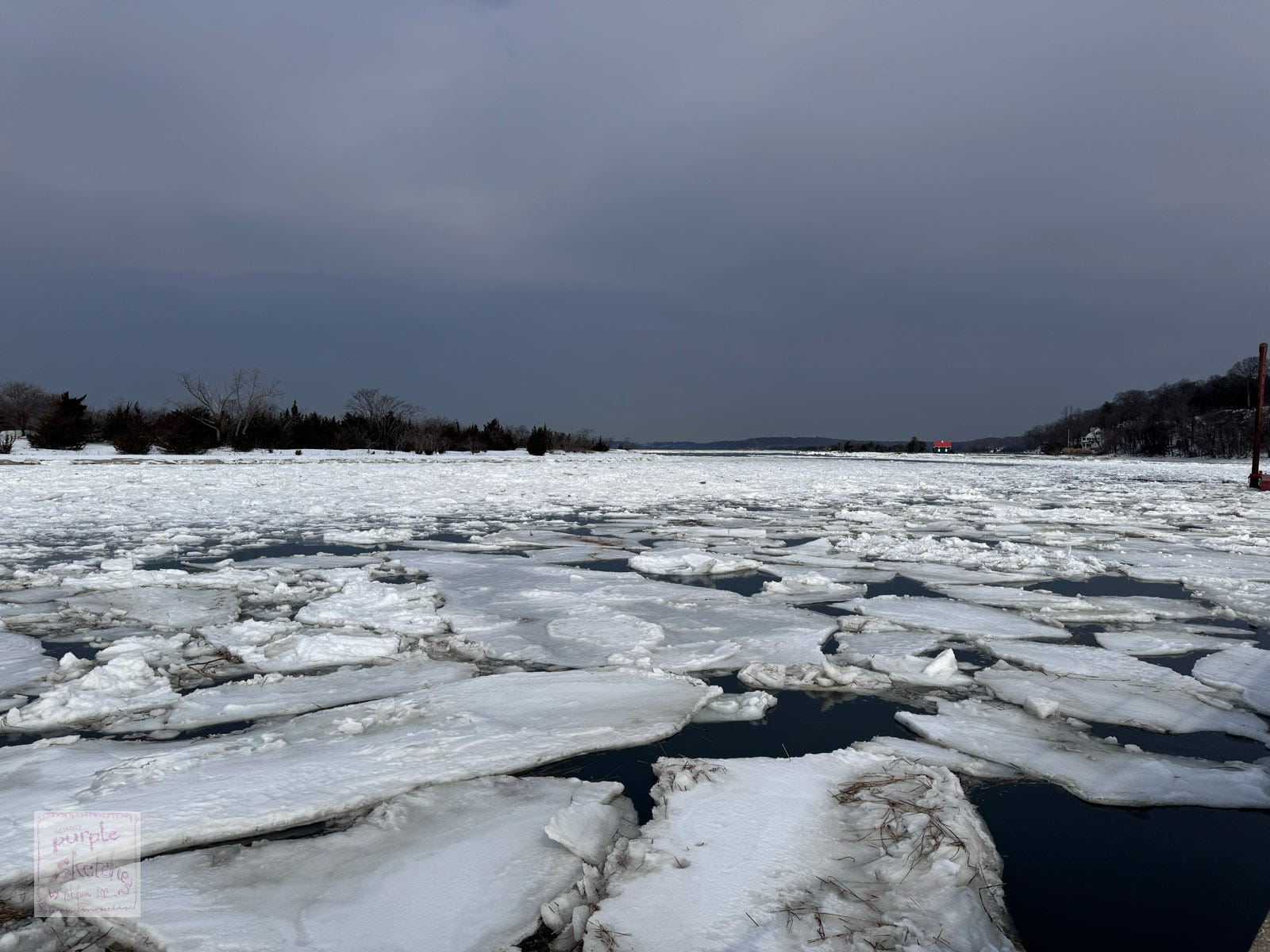
ロングアイランドサウンドに面したその場所は、普段は穏やかな海辺の風景が広がるところ。しかしこの日はまったく様子が違いました。淡水の流入や潮の影響でしょうか、大きな氷の塊がゆっくりと動き、まるで流氷のように漂っています。厚い雲に覆われた空の下、時折差し込む光が氷を白く照らし、幻想的で、どこか飲み込まれそうな景色でした。
While I was absorbed in filming, a sudden dull groan sounded from behind — a thick slab of ice pressing and cracking against another. I felt my heart race. It was a reminder of nature’s quiet but undeniable force at work.
ビデオ撮影に夢中になっていると、背後から突然「グゥイッ」という鈍い音。分厚い氷が押し合い、割れる音でした。静かに、しかし確かに働く自然の力に、思わず胸が高鳴りました。

Since we were already out, we decided to continue on to Lake Ronkonkoma, the largest lake on Long Island, located near its center. In summer, people fish, swim, sail, and boat there. I assumed that if the harbor had frozen, perhaps some ice might remain on the lake. Instead, what greeted us was an entirely white surface stretching from shore to shore.
その勢いのまま、せっかくなので近所のLake Ronkonkomaへも足を伸ばすことにしました。ロングアイランドのほぼ中央に位置する、島最大の湖です。夏には釣りや水浴、セーリングやボートでにぎわう場所ですが、この日の湖岸から見えたのは一面の白い湖面でした。
In the usual lakeside parking area, I noticed several adults unloading something like large kayaks from the tops of their cars. In the distance stood two vessels fitted with sails — iceboats — resting on the frozen lake. Before us spread a vast white plain, entirely different from the lake we knew.
いつもの湖畔の駐車場に車を止めると、数人の大人たちが車の屋根から大きなカヤックのような乗り物を下ろしています。遠くを見ると、帆を立てた二台のアイスボートが氷上に。そこには、見慣れた湖とはまったく違う、果てしなく続く白い平原のような風景が広がっていました。
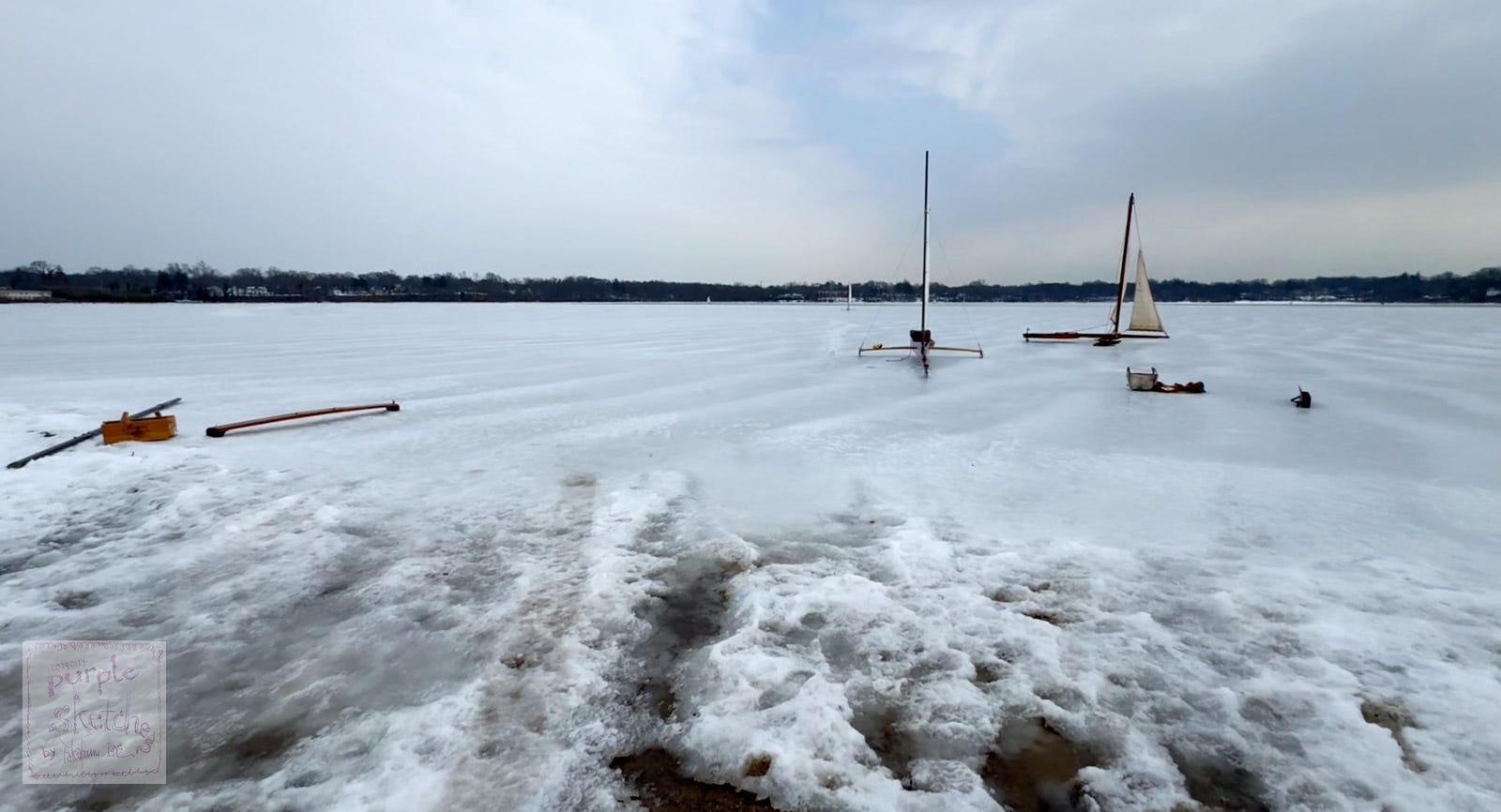
Lake Ronkonkoma, I later learned, has a quiet but longstanding tradition of iceboating dating back to the late nineteenth century. While the Hudson River is widely known as the birthplace of ice yachting in New York State, Ronkonkoma has maintained its own winter practice through a local club that gathers only when the cold is deep enough. It is a tradition that appears only in particularly harsh winters — a fleeting seasonal ritual.
ロンコンコマ湖は、実は19世紀後半からアイスボートが楽しまれてきた場所だそうです。ニューヨーク州ではハドソン川沿いが氷上ヨットの発祥地として有名ですが、ここロンコンコマにも長い歴史があり、地元のクラブが冬になると活動を続けています。厳しい寒さが続いた年だけに現れる、限られた季節の伝統です。

“Are you sure that’s safe?” my wife asked.
But almost without thinking, I found myself stepping out onto the ice from the shore. Carefully, in ordinary sneakers, one step at a time. It was my first time walking on a frozen lake. It felt almost magical — as though I were entering a place where I did not quite belong. The ice was not transparent like the kind often seen on social media, but milky white in some areas, mottled with tiny bubbles, and darker in others. There were traces of large cracks that had once opened and frozen again. The white sections gripped my soles; the darker ones were slick. The wind against my cheeks was sharp and cold.
「え、大丈夫なの?」と妻に心配されながらも、私は氷に誘われるように湖面へと歩き出していました。普通の運動靴で一歩ずつ慎重に。湖の上を歩くのは初めてです。魔法にかかったような、自分が本来いてはいけない場所に踏み込むような感覚。SNSでよく見るような透明な氷ではなく、白く泡を含んだような部分と、やや薄暗い部分が混在しています。時折、大きな亀裂の跡。白い部分は靴底にかみますが、暗い部分はつるりと滑る。頬を打つ風は鋭く冷たい。
When I finally lifted my gaze from my feet, sunlight spilled across the surface. It felt different from standing on a snowy ski slope — brighter, more open, yet somehow quieter. At the center of the lake, an iceboat, holding the faint wind in its sail, moved slowly and gracefully across the still, frozen surface.
下ばかり見ていた顔をふと上げると、冬の日差しがまぶしく広がり、スキー場とも違う、不思議な明るさに包まれていました。湖の中央では、わずかな風を帆に受けたアイスボートが、静まり返った氷上をゆっくりと、優雅に滑っていきます。
My son later spoke with one of the iceboaters, who told him the ice was over 12 inches thick (more than 30cm thick) — not something that would break easily. “Each boat weighs several hundred pounds,” he laughed. When the wind is strong, they can reach speeds close to 80mph (100 km/h). It is not something a novice could easily handle. Still, it was a wonderful experience — a small gift brought by this winter’s severity.
息子がアイスボートの男性から聞いた話によると、氷の厚さは30センチ以上あり、そう簡単には割れないとのこと。「ボート一台は数百ポンドあるからね」と笑いながら教えてくれたそうです。うまく風を捉えれば時速100キロ近くに達することもあるとか。素人が気軽に操縦できるものではなさそうです。それでも、この冬の厳しい寒さがもたらしてくれた、思いがけない贈り物のような一日でした。

Have you encountered any rare winter scenes where you live? Soon the weather will warm, and the lake will return to its familiar calm. But the memory of that white expanse will stay with me for some time.
Until warmer days arrive, please take good care of yourselves.
皆さまの近くでも、こんな特別な冬の風景に出会えましたか? やがて暖かくなれば、湖はいつもの穏やかな姿に戻るのでしょう。でもこの日の白い記憶は、しばらく心に残りそうです。
どうぞ、暖かくなる日までお体に気をつけてお過ごしください。